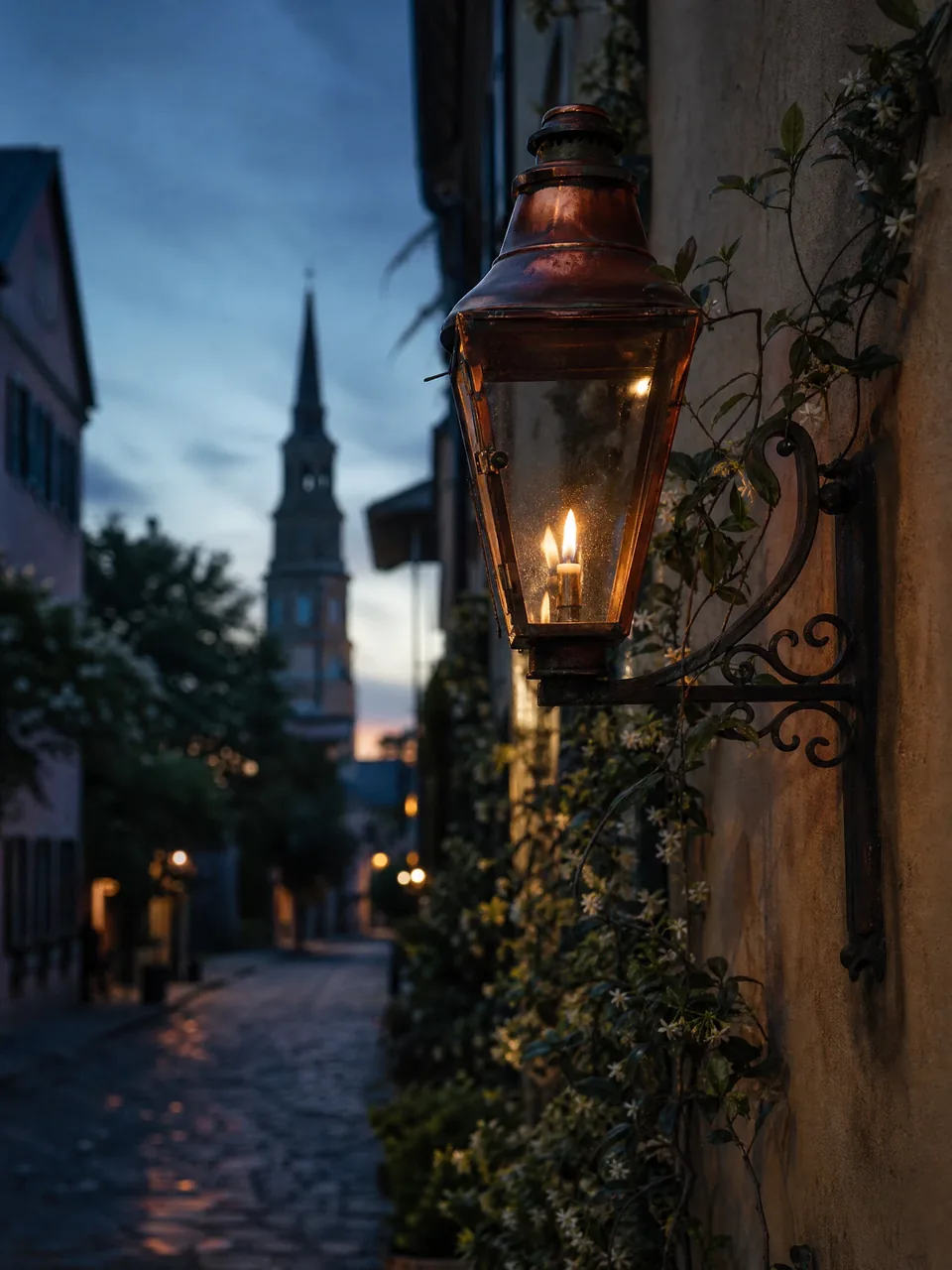
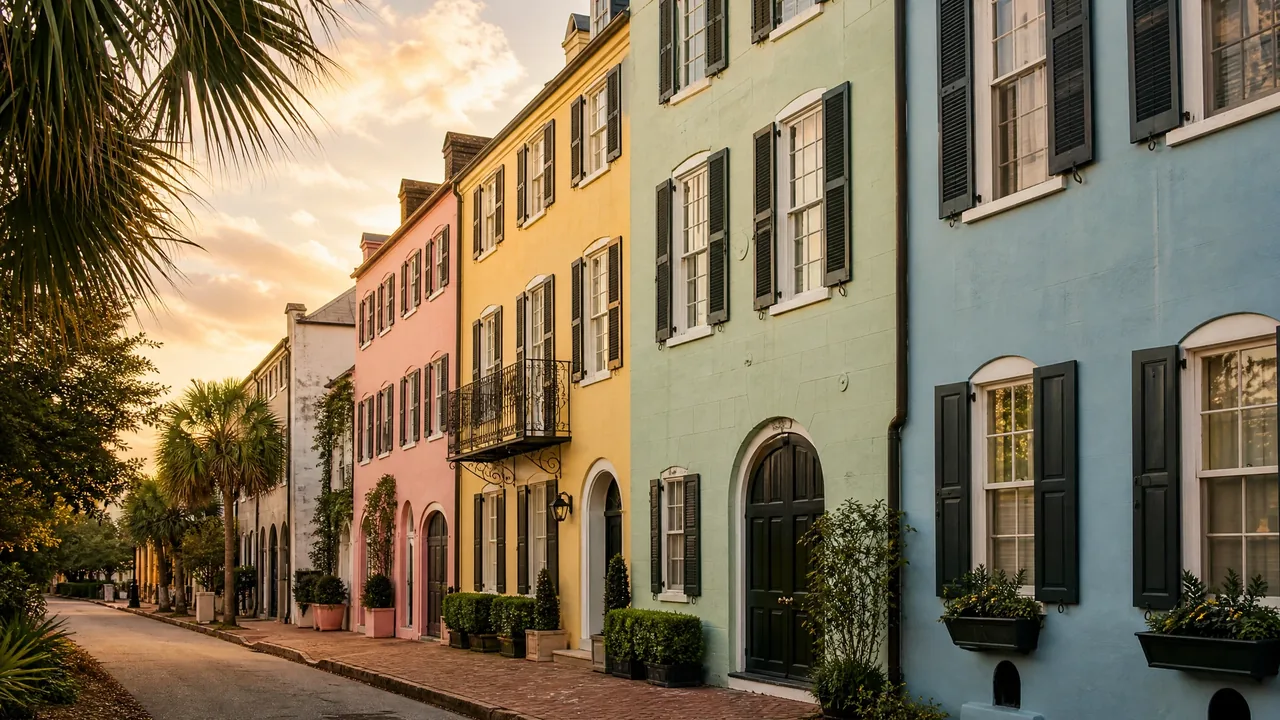
Top 10 Things to Do in Charleston SC combine the historic peninsula, harbor and beach experiences, local food, museums, and memorable group activities. The best things to do in Charleston, SC combine three versions of the city: the walkable historic peninsula, the harbor and beaches, and the gathering places where a trip starts to feel personal. A strong itinerary should not be ten reservations stacked on top of one another. It should move between guided history and unstructured wandering, a museum that asks you to slow down and a waterfront bar where the afternoon can loosen up, one memorable restaurant night and one dinner that happens around your own vacation-rental table.
This Top 10 list is designed for a three- to five-day Charleston trip. The order is flexible, but the pacing is deliberate. Downtown activities cluster together, the beach and Mount Pleasant outings work best on separate half days, and the Johns Island stop deserves extra driving time. Where hours, beach regulations, or ticket rules can change, use the official links in the references section to confirm details before leaving the house.
Build the trip around where you stay:
| Activity | Best Time | Allow | Reservation Priority |
|---|---|---|---|
| Palmetto Carriage Works | Morning | 1.5 hours | Book ahead in spring and fall |
| Private dinner at your rental | Evening | 3–4 hours | Plan vendors well ahead |
| Share House | Thu–Sun daytime | 2–3 hours | Check events and reservations |
| Historic waterfront walk | Early morning or golden hour | 2–3 hours | None |
| Fort Sumter | Morning or midday | 2–3 hours | Ferry ticket required |
| IAAM | Late morning or afternoon | 2–3 hours | Timed ticket recommended |
| Charleston City Market | Morning | 1–2 hours | None |
| Beach day | Morning through afternoon | Half or full day | Parking plan essential |
| Shem Creek | Late afternoon through sunset | 2–3 hours | Dinner reservation helpful |
| Angel Oak | Morning or late afternoon | 1 hour plus driving | None |
1. Take a Palmetto Carriage Works tour
A carriage tour is one of the most efficient first-day activities in Charleston because it gives the street grid, architecture, and historic vocabulary a shape before you explore on foot. Palmetto Carriage Works departs from 8 Guignard Street near the City Market. Its public daytime ride is a narrated, one-hour tour through the Historic District, with the official site listing daily service and frequent departures. The exact route can vary because Charleston manages carriage traffic, so treat that as part of the experience rather than choosing a tour for one promised landmark.
Book a morning ride when summer heat is lower and the horses, streets, and guests are starting fresh. In spring and October, reserve before arrival; popular morning times can fill. Arrive early enough to check in, find the barn, and use the restroom without rushing. The public carriage holds a group, while private daytime options suit couples, families, or friends who want a quieter conversation with the guide. If anyone in the party has mobility questions, contact the operator before booking rather than assuming the carriage setup will work.
Use the ride as orientation, not as the entire history lesson. Write down the streets, churches, gardens, and houses that catch your attention, then return to two or three on foot. That second look is where Charleston becomes memorable: ironwork seen at eye level, a churchyard gate you missed from the road, or a side street that leads toward the harbor. Pair the tour with City Market afterward, since the locations are close and the transition requires almost no transportation planning.
2. Host a private dinner at your vacation rental with Republic Event Rentals
One of the best Charleston evenings may be the one that never requires a rideshare. A private dinner at the vacation rental gives a family, wedding group, birthday weekend, or reunion a shared table without splitting the party across restaurant reservations. Republic Event Rentals supplies the physical pieces that turn an ordinary dining area or courtyard into an occasion: tables, chairs, linens, plates, glassware, flatware, bar setups, lounge furniture, décor, tents, and lighting. Its official site also describes delivery, setup, and breakdown support.
Start with permission, not a mood board. Ask the host about maximum occupancy, registered guests, outside vendors, delivery access, quiet hours, parking, candles, furniture movement, and whether an event or gathering is allowed. A vacation rental that sleeps eight does not automatically permit a dinner for twenty. Historic houses may have narrow stairs, fragile floors, limited electrical capacity, or courtyards with strict sound expectations. Get written approval before paying deposits, and share delivery windows with the host.
Republic Event Rentals provides rentals rather than the entire dinner, so build the vendor team clearly. You may still need a private chef or caterer, service staff, groceries, ice, alcohol service that complies with applicable rules, flowers, and trash removal. Ask whether the chef needs access several hours early and whether the kitchen can support the menu. For a smaller group, the most effective setup is often simple: one well-dressed table, comfortable chairs, proper glassware, low florals, warm lighting, and a menu rooted in Charleston ingredients. Save the elaborate lounge furniture for a larger courtyard or wedding weekend.
Plan the evening so the house remains a home. Keep arrival and breakdown inside approved hours, assign one guest as vendor contact, protect surfaces, and move conversation indoors before neighborhood quiet hours. The result should feel intimate rather than improvised: everyone arrives at the table together, nobody coordinates cars after dinner, and the porch becomes the final course. For groups, that privacy can be more valuable than another hard-to-book reservation.
3. Plan responsible daytime drinks at Share House
For adults 21 and older who want an upbeat afternoon near Upper King, Share House brings a beach-bar mood to 23 Ann Street. The official site describes a shore-inspired restaurant and bar known for orange crushes, food, and a relaxed coastal setting. Current posted hours make daytime visits most practical Thursday through Sunday, though hours, entertainment, private events, and reservation availability can change. Check the restaurant directly before building the day around it.
The best version of this stop is social but paced. Eat before or while drinking, alternate every alcoholic drink with water, and decide the next destination before the group arrives. Share House is close enough to downtown hotels, vacation rentals, and other Upper King stops that walking or a short rideshare usually makes more sense than driving. If the group has a dinner reservation later, leave a real break between afternoon drinks and the evening rather than turning the day into one continuous bar crawl.
Groups should verify the age policy, dress expectations, reservation options, event calendar, and opening time for the specific day. Thursday and Friday can feel different from a weekend afternoon. Keep noise and open containers inside permitted areas, tip appropriately, and use a rideshare or designated driver if walking is not practical. Charleston's bar scene is compact, which makes it easy to enjoy responsibly without moving a vehicle at every stop.
4. Walk Waterfront Park, Rainbow Row, The Battery, and White Point Garden
Charleston rewards walking because the most recognizable places are connected by ordinary residential blocks that never make a Top 10 list. Begin at Waterfront Park, pause near the Pineapple Fountain, and follow the waterfront south. Detour one block inland to Rainbow Row, then continue toward The Battery and White Point Garden. This is not a single signed trail; it is a flexible two- to three-mile route through the lower peninsula, and its value comes from giving yourself permission to turn down a beautiful side street.
White Point Garden provides shaded lawns, walking paths, benches, monuments, historic cannons, and views toward Charleston Harbor and Fort Sumter. The park works as the turnaround point before walking north through residential streets such as Church, Meeting, or East Bay. Respect private homes and gardens, keep voices low on early-morning streets, and remember that gates and piazzas are not public simply because they photograph well.
Start before 9 a.m. in summer or about ninety minutes before sunset in spring and fall. Midday sun reflects off water and pale façades, while shaded sidewalks are not continuous. Wear shoes that handle uneven brick, bring water, and use a public garage if you are not staying downtown. A walking route is easier from a downtown vacation rental because you can stop at the house, change shoes, or wait out an afternoon storm without reorganizing the day.
5. Take the authorized ferry to Fort Sumter National Historical Park
Fort Sumter sits in Charleston Harbor and is accessible only by the authorized concession-operated tour boat. The National Park Service does not charge a fort entrance fee, but visitors need a ferry ticket. That distinction matters when planning: this is not an attraction you can reach independently by driving to a gate. Purchase ferry tickets in advance, especially during spring break, summer weekends, and October.
Choose the departure point that fits the rest of the itinerary. Liberty Square pairs naturally with the International African American Museum and downtown. Patriots Point works well for guests staying in Mount Pleasant or combining the day with Shem Creek. Allow enough time for check-in, security procedures, the harbor crossing, the fort visit, and the return. Wind on the boat can feel cooler than downtown even on a warm day, so bring a light layer outside midsummer.
At the fort, listen before photographing. The site carries national military history, the beginning of the Civil War, and the consequences of conflict and slavery. Rangers and exhibits provide context that a harbor view alone cannot. Families should explain the significance before arriving so children understand why the ruins matter. The ferry ride adds its own reward: city skyline, harbor traffic, bridges, and a perspective on Charleston's geography that is difficult to grasp from land.
6. Visit the International African American Museum
The International African American Museum belongs near the center of a Charleston itinerary, not as an optional rainy-day substitute. Located at 14 Wharfside Street on the historic site of Gadsden's Wharf, the museum connects African American history, culture, resistance, creativity, and family histories across Charleston, the nation, and the wider Atlantic world. Its Center for Family History and special exhibitions are included with admission, according to the museum's official visitor information.
Reserve a timed ticket online and allow at least two hours. The museum currently opens Tuesday through Saturday from 10 a.m. to 5 p.m. and Sunday from noon to 5 p.m., with last entry at 4 p.m.; it is closed Monday. Recheck the official schedule for holidays or changes. Do not overpack the same day. A carriage ride, IAAM, Fort Sumter, and a long walking tour in one stretch turns meaningful history into a checklist.
Pair IAAM with a waterfront walk or Liberty Square ferry departure because the geography works. Leave time for the African Ancestors Memorial Garden outside the museum, and approach the visit with enough space afterward for conversation. For families, review current exhibition descriptions and age guidance in advance. For visitors researching ancestry, investigate the Center for Family History resources before arrival rather than assuming every service is available as a walk-in.
7. Browse Charleston City Market and learn about sweetgrass basket traditions
Charleston City Market stretches through four blocks between Church and East Bay streets. Go for locally made goods and conversations with makers, not for a generic souvenir sprint. The official market emphasizes certified authentic Made in Charleston products and sweetgrass baskets, an art form rooted in African traditions and shaped by generations of Gullah Geechee basket makers. A genuine basket is handcrafted art; price reflects time, skill, materials, and cultural continuity.
Visit earlier in the day for more room to look, or check the market's current calendar for evening programming. Ask before photographing an artisan or their work. If you are buying a basket, let the maker explain the pattern, materials, and care. Avoid bargaining as if the piece were mass-produced. The most useful market visit is slow enough to distinguish locally made work from ordinary retail goods.
The market pairs naturally with the Palmetto Carriage Works stop, a French Quarter walk, or lunch nearby. Parking garages serve the area, but guests staying downtown should walk. Keep purchases manageable if the rest of the day is outdoors, and never leave valuables visible in a parked car. Market schedules and individual vendor attendance can change, so use the official site for current hours and special events.
8. Choose the Charleston beach that matches your day
Charleston does not have one beach experience. Sullivan's Island is quiet, residential, and best for visitors who want a walk, simple beach time, and lunch on Middle Street. Isle of Palms offers the clearest classic beach-day setup, with Front Beach services and organized seasonal parking. Folly Beach feels livelier and more independent, with Center Street, surfing culture, and a longer transition from sand to food and drinks. Choose based on the group rather than whichever name appears first in search.
Parking determines whether the morning begins calmly. Arrive early in warm months, keep every tire where local signs require, do not block beach paths or driveways, and expect seasonal enforcement. Official rules prohibit alcohol on all three beaches. Glass, litter, fires, fireworks, protected dunes, overnight equipment, dogs, and watercraft are also regulated differently by island and season. Read the current municipal rules the night before; an old social post is not a parking plan.
Pack lighter than instinct suggests: shade that meets local size rules, water in reusable containers, reef-conscious sun protection, towels, and a bag for every item you bring. Fill holes before leaving and use designated access paths. Families may prefer Isle of Palms for logistics, couples often favor Sullivan's Island, and groups seeking a more social day may choose Folly. None is universally best, which is why the comparison deserves its own guide.
9. Walk the Shem Creek waterfront at sunset
Shem Creek is Mount Pleasant's working-waterfront gathering place: shrimp boats and recreational boats, boardwalks, marsh views, restaurants, bars, kayaks, and fishing charters occupy the same narrow creek. The Town of Mount Pleasant lists Shem Creek Park at Shrimp Boat Lane with parking, restrooms, ADA access, fishing, and a walking trail. The tourism office highlights boardwalks, water activities, creekside dining, and the area's shrimping and fishing legacy.
Arrive before sunset rather than at it. Parking is finite, and the best light begins well before the sun disappears. Walk the boardwalk first, then settle into dinner or a drink. Wildlife may appear in the creek or marsh, but do not build the outing around a guaranteed dolphin sighting. The dependable attraction is the landscape: water, working boats, birds, and the sky changing over the harbor.
This stop works especially well after a Sullivan's Island beach day or for guests staying in Mount Pleasant. If the group is drinking, use a rideshare rather than moving a car between creekside restaurants. Families can visit earlier for the boardwalk and dinner; couples may prefer sunset; active travelers can book a separate paddle or boat experience with a licensed operator. Confirm reservations and weather, particularly during summer storm season.
10. Visit Angel Oak Park on Johns Island
Angel Oak is a Southern live oak on Johns Island estimated by the City of Charleston to be 300 to 400 years old. The scale is difficult to communicate until you stand beneath the canopy: the tree rises roughly 65 feet, its trunk measures more than 25 feet around, and its shade spreads across about 17,000 square feet. General admission is free, with donations supporting preservation, and the public can visit seven days a week except holidays.
Treat the stop as a protected park rather than a picnic beneath a prop. City rules prohibit food, drinks, blankets, props, and tripods around the tree. Do not climb, sit on, or hang objects from limbs. Leashed pets are allowed only in designated areas such as the picnic area. Because the visit itself may take less than an hour, combine it with a Johns Island meal or another approved stop instead of rushing back across town at peak traffic.
Go early or late for softer light and fewer visitors, but confirm current operating hours before driving. The route from downtown can slow considerably during commuting periods and summer weekends. This is also a useful reset after several structured attractions: no timed entry, no narration, just one living landmark and the responsibility to leave it undisturbed for the next visitor.
How to fit the Charleston Top 10 into four days
| Day | Morning | Afternoon | Evening |
|---|---|---|---|
| Day 1: Historic Charleston | Palmetto Carriage Works | City Market + waterfront walk | Private dinner at the rental |
| Day 2: Harbor history | Fort Sumter ferry | IAAM | Dinner downtown |
| Day 3: Beach + Mount Pleasant | Choose one beach | Rest and reset | Shem Creek at sunset |
| Day 4: Johns Island + social stop | Angel Oak | Flexible lunch / downtime | Share House for adults 21+ or an alcohol-free alternative |
For a three-day trip, move Angel Oak to a future visit and choose either Fort Sumter or IAAM rather than compressing both. For five days, separate the beach and Shem Creek into different outings and leave one unplanned morning. Charleston feels smaller on a map than it does in traffic, especially when bridges, beach roads, event weekends, and parking enter the equation. Group activities geographically and build in thirty-minute buffers.
Charleston transportation, parking, and seasonal planning
A car is optional downtown and useful outside it. Historic-district garages are easier than searching residential blocks for curb space. For Fort Sumter, choose the ferry departure that matches your lodging. For beaches, use official municipal parking information and arrive early. For Shem Creek and Share House, use a rideshare if alcohol is part of the plan. For Angel Oak, a car or scheduled ride is usually simplest because the park sits on Johns Island.
Spring and October demand earlier booking for tours, timed museum entry, group meals, and downtown vacation rentals. Summer rewards early outdoor starts, indoor midday activities, beach time with a serious parking plan, and room for thunderstorms. Winter offers easier restaurant access, cooler walks, and a calmer market experience. During hurricane season, monitor official forecasts and the cancellation policies attached to every prepaid activity.
Accessibility varies across brick sidewalks, historic buildings, carriages, boats, beaches, and boardwalks. Contact operators directly with specific mobility, sensory, seating, service-animal, or medical questions. Do not rely on a general label such as family-friendly or accessible to answer an individual traveler's needs. A ten-minute call before booking can prevent an avoidable disappointment.
Conclusion: the best Charleston itinerary has contrast
Charleston works best when one day does not repeat the last. Let a narrated carriage ride introduce the streets, then walk them alone. Balance the harbor history of Fort Sumter with the deeper cultural context of IAAM. Give the group one social afternoon at Share House and one private evening around its own table. Move from City Market's maker traditions to a quiet beach morning, from Shem Creek's working waterfront to the stillness beneath Angel Oak. The goal is not to complete a list; it is to leave understanding how Charleston's history, water, food, neighborhoods, and gathering places fit together.
References and current visitor information
Confirm current hours, tickets, reservations, parking, and rules directly before visiting:
Frequently asked questions
Planning a trip? Explore our Charleston vacation rentals, browse the local guide, or read our story.