Best Time to Visit Charleston SC depends on whether your trip prioritizes garden season, beach weather, lighter crowds, festivals, or lower winter prices. Ask ten locals for the best time to visit Charleston and you will get ten confident, contradictory answers — the gardener says late March, the beach lover says September, and the oyster devotee will not hear anything but January. The honest answer is that Charleston rewards visitors in every season, but each one offers a distinctly different city. This guide walks through what the Holy City actually feels like month by month, what you will pay, what you will contend with, and when we tell our own friends to book.
The short answer: spring and fall win
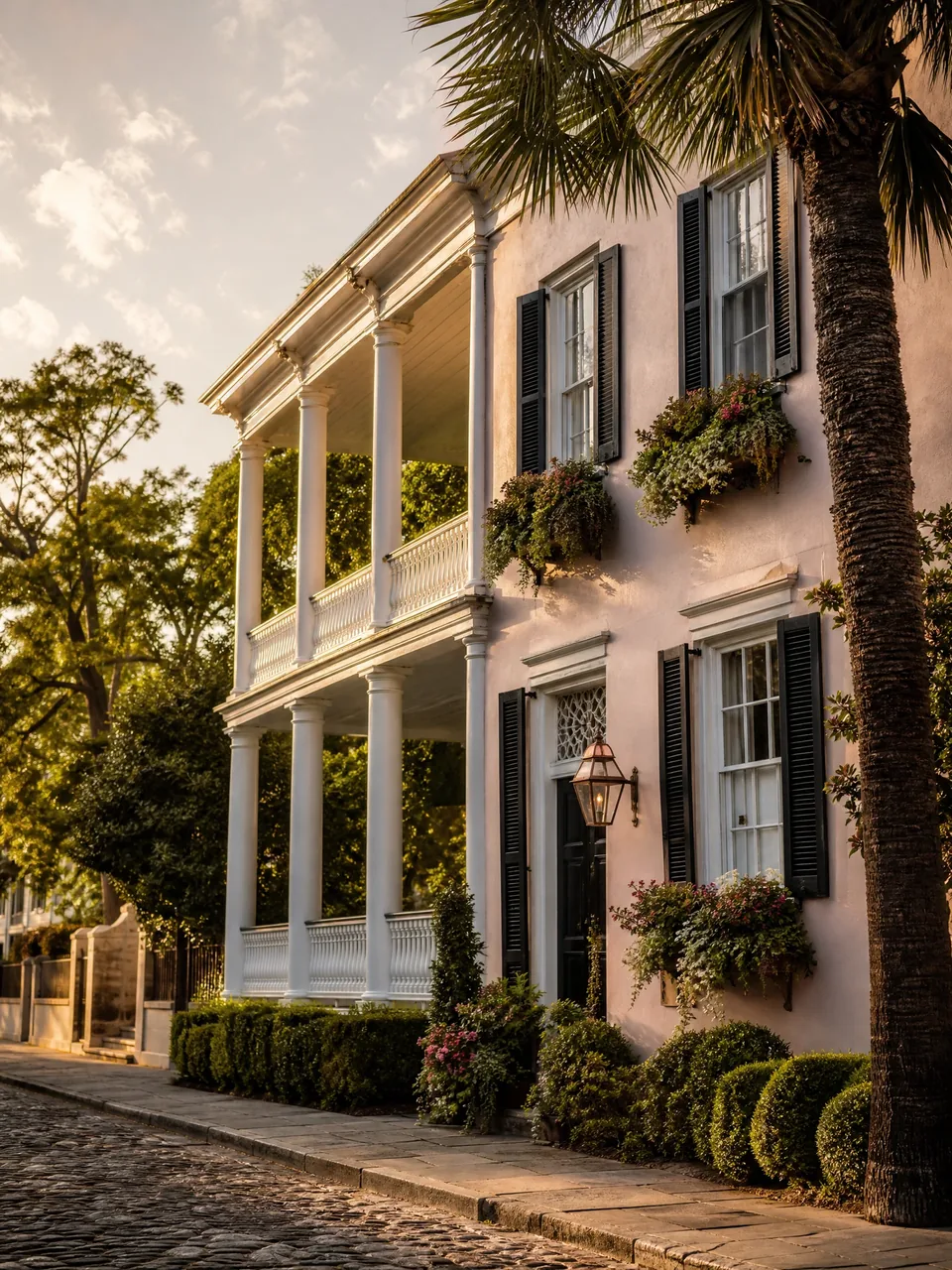
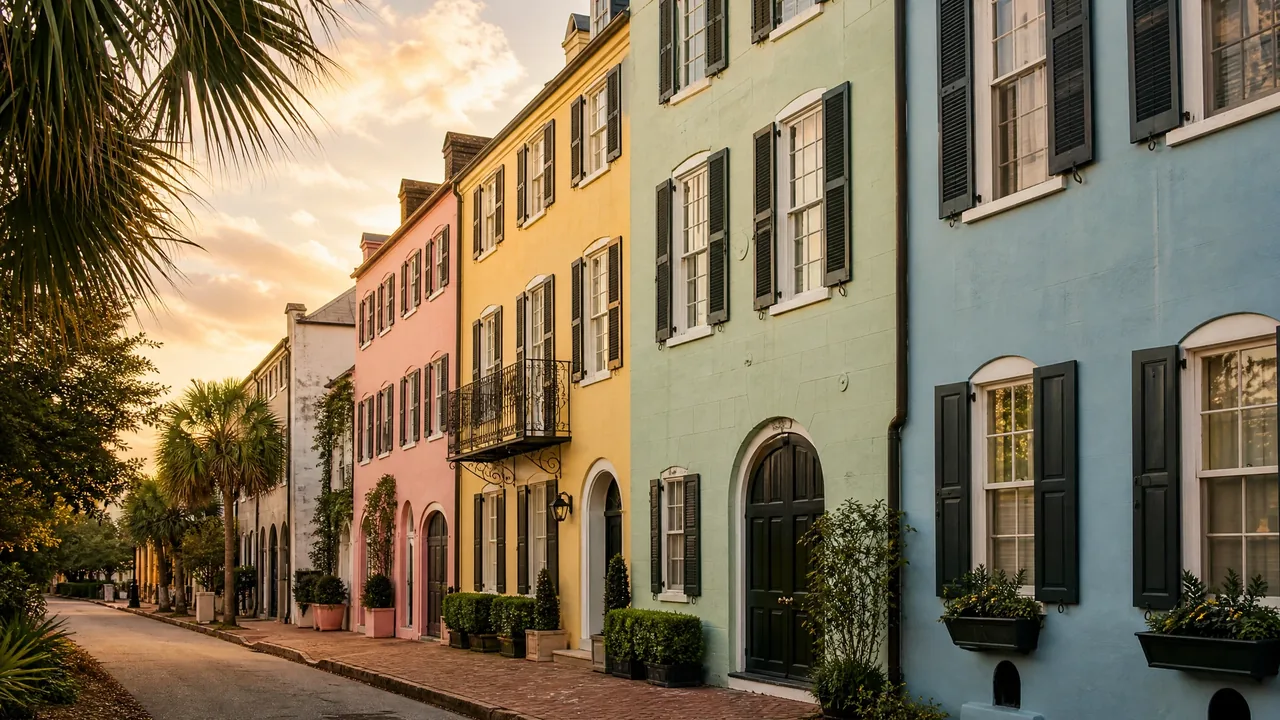
If you want the postcard version of Charleston — window boxes overflowing, porch weather all day, golden light on Rainbow Row — aim for mid-March through mid-May or mid-September through early November. These shoulder seasons pair daytime temperatures in the 70s with the city's biggest festivals and its most walkable weather. They are also the most popular, so rates on well-located vacation rentals climb and the best homes book out six to ten weeks ahead. Joining a guest list or booking direct early is the difference between a porch on Church Street and a compromise near the highway.
Charleston weather, honestly
Charleston is a subtropical port city, and its weather deserves honest framing rather than brochure gloss. Winters are genuinely mild — January averages highs near 60°F, and a cold snap means a light jacket. Spring arrives early and emphatically: by mid-March the azaleas detonate across the peninsula and the humidity remains merciful. Summer runs hot and thick from June through mid-September, with highs in the low 90s, afternoon thunderstorms that arrive almost on schedule around 4 p.m., and humidity that makes 9 a.m. walking tours a wise tradition. Fall is the payoff for locals: ocean water still warm into October, crowds thinning, and light that photographers cross states for.
| Season | Typical Highs | Crowds | Nightly Rates | Best For |
|---|---|---|---|---|
| Spring (Mar–May) | 68–83°F | Peak | Highest | Gardens, festivals, porch weather |
| Summer (Jun–Aug) | 88–93°F | High (families) | High | Beach days, long evenings |
| Fall (Sep–Nov) | 70–85°F | Moderate | Moderate–High | Warm ocean, softer light, food season |
| Winter (Dec–Feb) | 58–65°F | Lowest | Lowest | Oysters, holiday lights, value |
Month by month, from a host's notebook
January and February: the insider's secret
Winter is when Charleston belongs to the people who love it most. Restaurant reservations that require three weeks of planning in April are walk-ins in January. This is peak oyster season — roasts happen most weekends, including the enormous Charleston area Oyster Festival — and the Southeastern Wildlife Exposition in February fills the city with art and retrievers in equal measure. Rates are the lowest of the year, often 30 to 40 percent below spring peaks. Pack layers, plan for a couple of grey days, and enjoy a city moving at its natural pace.
March, April, and May: the main event
Spring is Charleston at maximum wattage. The Festival of Houses and Gardens opens private historic homes to visitors in March and April; the azaleas and wisteria peak in late March; and Spoleto Festival USA transforms the city into one of the country's great arts destinations from late May into June. This is also peak wedding season, which matters more than visitors expect — Saturday nights downtown sell out first and cost the most. Book eight to ten weeks ahead, and if your dates are flexible, a Sunday-to-Thursday stay in April is the single best porch-weather value on the calendar.
June, July, and August: beach season, managed well
Summer in Charleston is a different vacation: mornings downtown, afternoons on Folly Beach or Sullivan's Island, evenings stretched long over shrimp and grits. The heat is real, but it has rhythms you can work with — historic district walking before 11 a.m., pools and beaches midday, rooftop bars after the 4 p.m. thunderstorm rinses the air clean. Families dominate the calendar, Fourth of July week books out months ahead, and hurricane season technically begins in June, though September and October carry the higher statistical risk. Travel insurance is cheap peace of mind for summer bookings.
September, October, and November: the local favorite
Ask where we would put our own money and the answer is October, every time. The ocean holds near 78°F into early fall, the humidity finally breaks, and the food calendar peaks — Charleston Wine + Food announcements, oyster season reopening, and restaurant week deals. September carries the most hurricane-watch anxiety, but in practice it usually means watching a forecast, not changing a plan. By November you get 65-degree afternoons, thin crowds, and some of the year's best photography light along The Battery.
December: lights, oysters, and quiet luxury
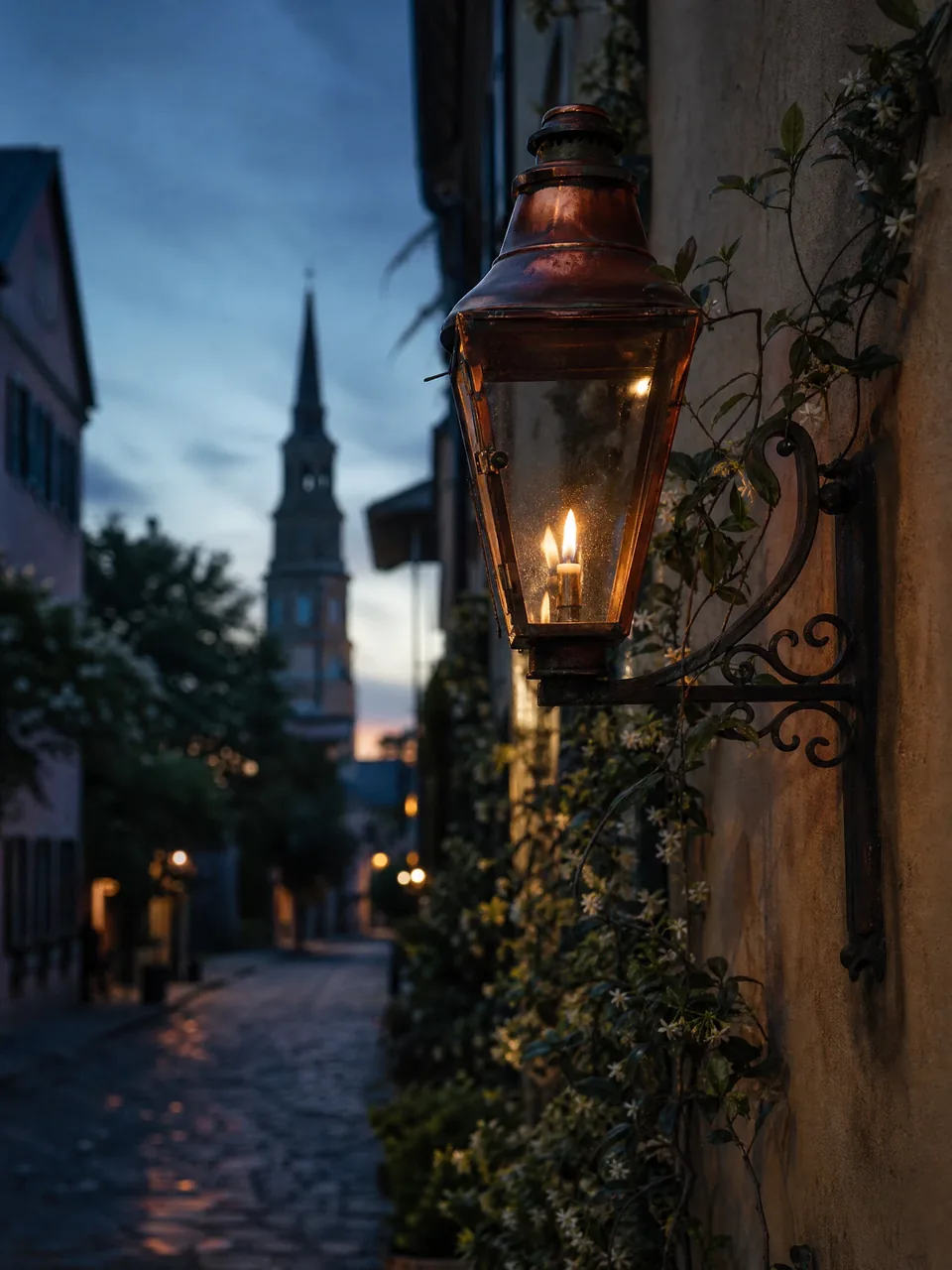
December in Charleston is criminally underrated. King Street dresses up for the holidays, the Festival of Lights runs nightly at James Island County Park, and hotel-grade vacation rentals sit at winter rates until the week of Christmas. If you want the historic district glowing, gas lanterns doing their best work, and a real fireplace-weather evening or two, this is your month.
When to book, whatever month you choose
Charleston is a compact city with a finite supply of truly well-located places to stay, and the difference between a stay you brag about and one you tolerate is usually booking lead time. For spring and October, reserve eight to ten weeks out. For summer, four to six weeks is usually safe outside of holiday weeks. For winter, you can be spontaneous — which is part of its charm. Whenever you come, booking direct with a local host rather than through a platform typically saves the service fee and gets you real neighborhood advice from someone who lives here.
The best time to visit Charleston is the season that matches your version of a perfect day — there is no wrong answer, only different cities.
Frequently asked questions
Planning a trip? Explore our Charleston vacation rentals, browse the local guide, or read our story.