3 Days in Charleston SC gives first-time visitors enough time for the historic peninsula, one major history stop, local restaurants, and a beach or harbor outing. Charleston is a city that rewards a plan loosely held. It is compact enough to cover the icons in a long weekend, but its best moments — a hidden garden gate ajar, church bells overlapping at noon, the smell of jasmine down an alley you did not mean to take — happen between the itinerary lines. This three-day route is the one we write out, nearly verbatim, for first-time guests: the essential Charleston, sequenced to dodge the crowds and the midday heat, with room left for the city to surprise you.
Day one: the historic heart on foot
Morning: The Battery before breakfast
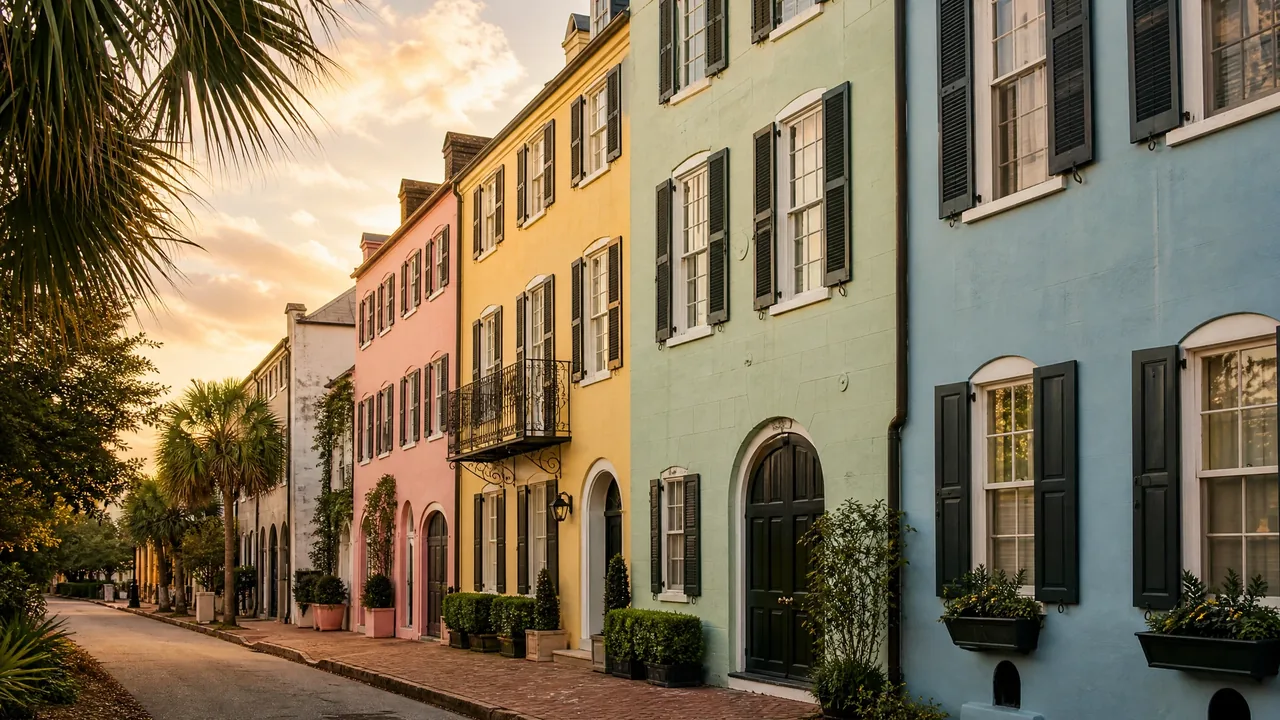
Start early — truly early, before 8:30 — and walk south along East Bay Street to The Battery. You will have White Point Garden's live oaks and the harbor almost to yourself, and the antebellum mansions along the seawall are at their photogenic best in morning light. Loop up Meeting Street past the pastel facades, then double back to Rainbow Row before 9 a.m., when the tour groups arrive and photography becomes a contact sport. Breakfast afterward feels earned: aim for a classic Charleston area plate — shrimp and grits sets the tone for the weekend.
Midday: churches, alleys, and the market
Charleston is called the Holy City for its skyline of steeples, and the interiors reward a visit — St. Philip's and the French Huguenot Church are both open to respectful visitors most days. Connect them via the hidden passages locals love: Philadelphia Alley, Longitude Lane, and Stoll's Alley form a cobblestoned shortcut network that most visitors walk right past. Finish at the Charleston City Market, where the Gullah sweetgrass basket weavers practice a craft passed down for three centuries — watch, ask questions, and if you buy one souvenir in Charleston, make it this one.
Evening: golden hour and the first big dinner
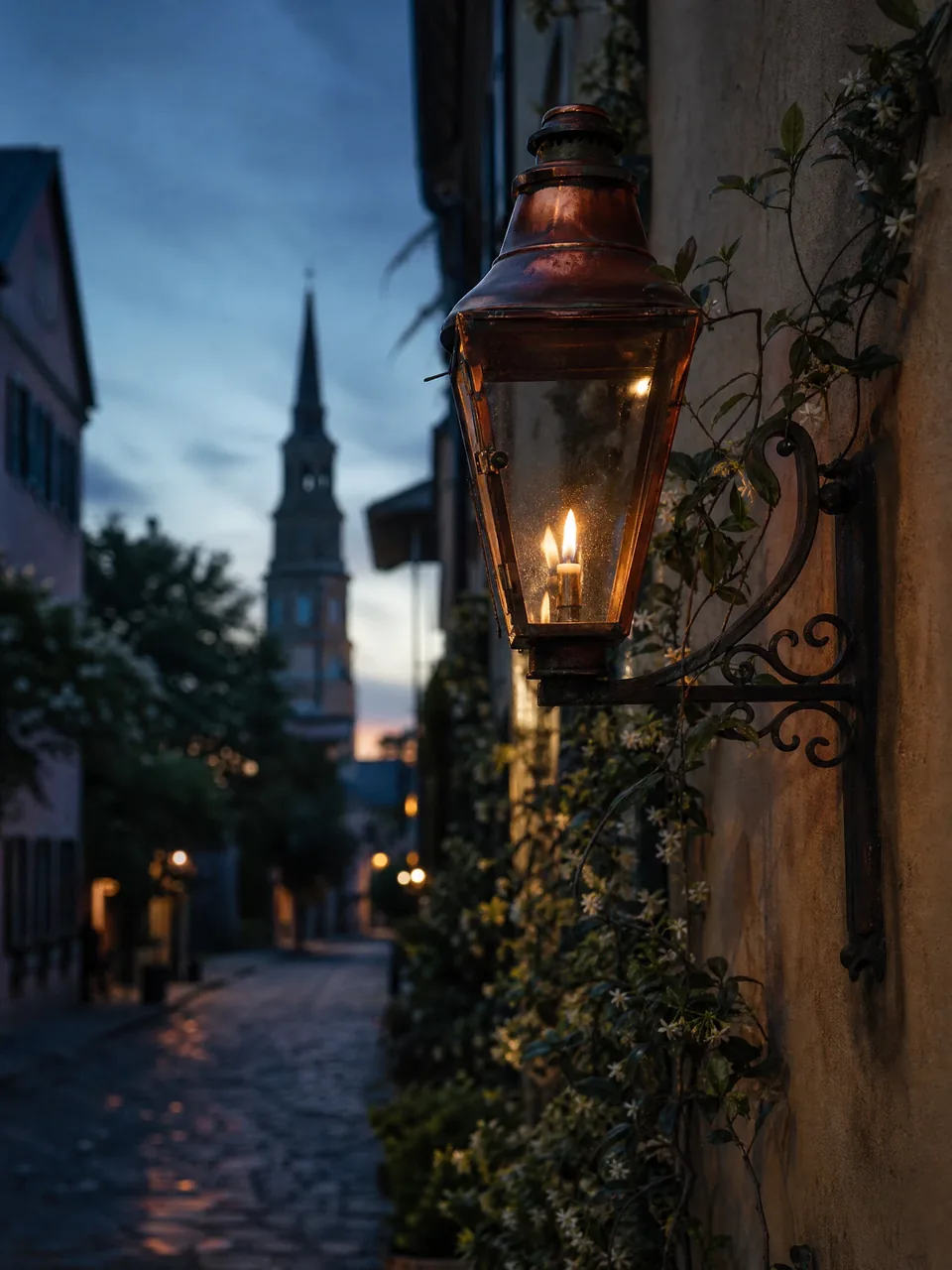
For your first Charleston dinner, book somewhere on the peninsula four to six weeks ahead — the city's reputation as one of America's great food towns is earned nightly, and the marquee rooms fill fast. Afterward, walk it off under the gas lanterns of the French Quarter; the neighborhood turns cinematic after dark, and a slow loop past the Dock Street Theatre and St. Philip's steeple lit against the night sky is the single most atmospheric fifteen minutes in the city.
Day two: history in the morning, water in the afternoon
Morning: choose your deep dive
Day two starts with Charleston's heavier, essential history. Two choices, both worth your morning: Fort Sumter, reached by a harbor boat ride that doubles as a skyline tour, where the Civil War began; or a plantation along the Ashley River — Magnolia's gardens are the romantic pick, Middleton Place the grand one, and McLeod Plantation the most honest and affecting telling of the enslaved people's story. Whichever you choose, book the first departure of the day; you will beat both the heat and the buses.
Afternoon: Folly Beach or the harbor
By early afternoon, trade history for salt air. Folly Beach is twenty minutes away and delivers the classic South Carolina beach day — pier, surf shops, and a beachfront taco. If you would rather stay on the peninsula, a harbor sail out of the marina catches dolphins trailing the boat more often than not. Either way, be back and showered by six, because day two's evening belongs to Upper King Street: Charleston's modern dining corridor, where the pre-dinner cocktail bar crawl is a legitimate cultural activity.
Day three: gardens, brunch, and the slow goodbye
Save the gentlest day for last. Sunday brunch is Charleston's high holiday — book it ahead, order the biscuits, and do not rush. Spend late morning in the neighborhoods you have not yet walked: Cannonborough–Elliotborough's café district rewards wandering, and Hampton Park — the city's largest — is where locals actually spend their Sunday. If your departure allows one last stop, the Angel Oak on Johns Island, a live oak estimated at four to five hundred years old, is a twenty-five minute drive and a genuinely humbling goodbye to the Charleston area.
The practical notes we send every guest
| Question | The Short Answer |
|---|---|
| Do I need a car? | Not downtown — walk everywhere. Rent or rideshare only for plantations, beaches, and Angel Oak |
| Best photo times | Before 9 a.m. or the hour before sunset; midday light is harsh and crowded |
| Dinner reservations | Book the two big dinners 4–6 weeks out; lunch spots rarely need them |
| What to pack | Comfortable walking shoes for cobblestones, one dressy outfit, and sun protection year-round |
| Tipping the tour guides | $5–10 per person for walking tours is standard and appreciated |
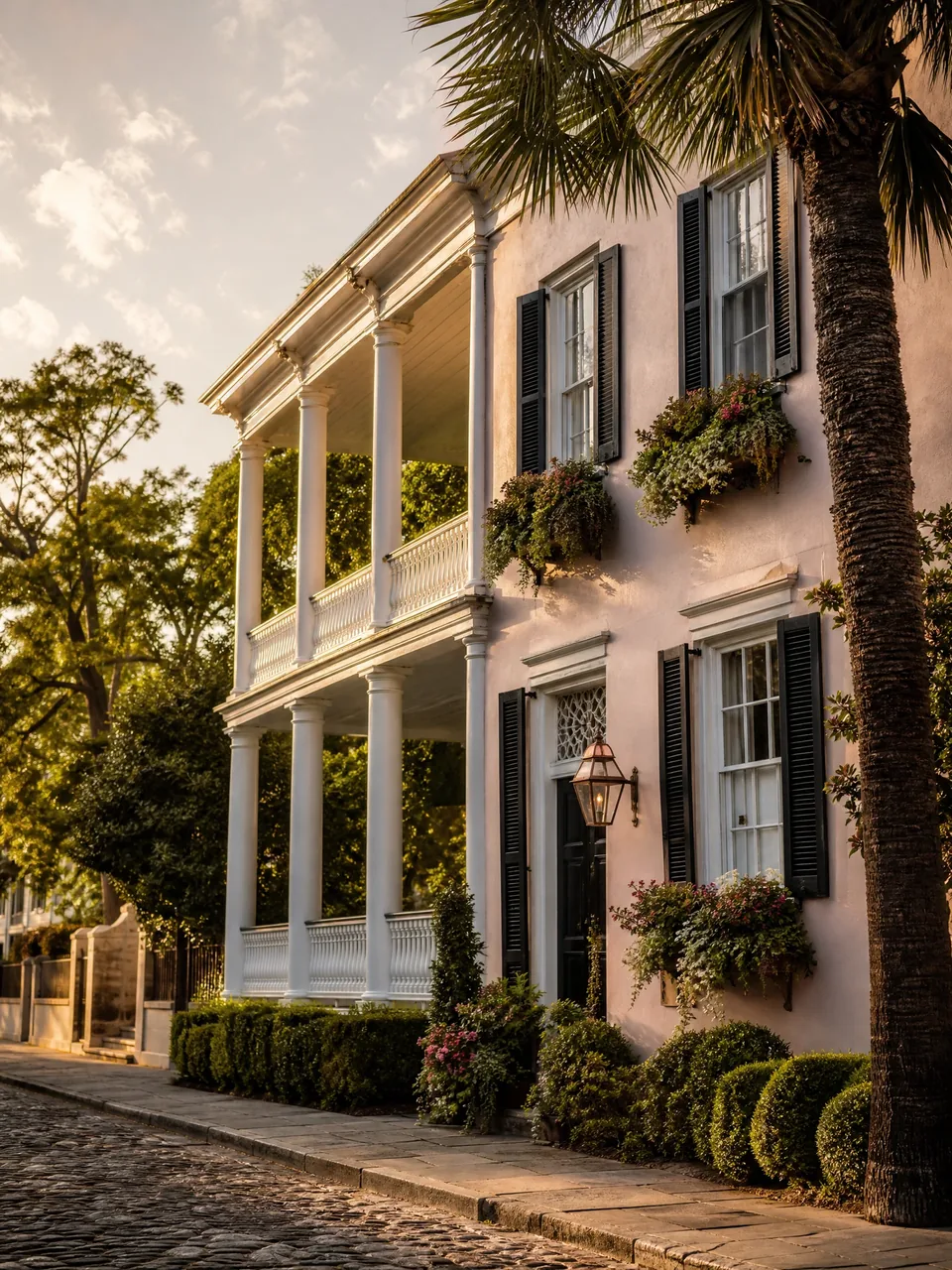
Where you sleep shapes the whole trip. Stay on the peninsula — Historic Downtown, the French Quarter, or Cannonborough–Elliotborough — and the city unfolds on foot from your door; stay by the highway to save money and you will spend the savings on rides and the time in traffic. A well-located home with a porch is not a luxury here; it is the difference between visiting Charleston and briefly living in it.
Charleston does not need to be conquered in three days. It needs to be walked, tasted, and sat with — preferably on a porch, preferably at golden hour.
Frequently asked questions
Planning a trip? Explore our Charleston vacation rentals, browse the local guide, or read our story.